Tony Buzan made the MindMap popular in the 1970s, and MindMaps can take many different forms.
From simple spider diagrams to intricate pictures, they can be complex or basic.
Often advocated as useful for neurodivergent people, research has shown that MindMaps can help with visual thinking.
(Kajka & Kulik, 2021)
How to create a MindMap
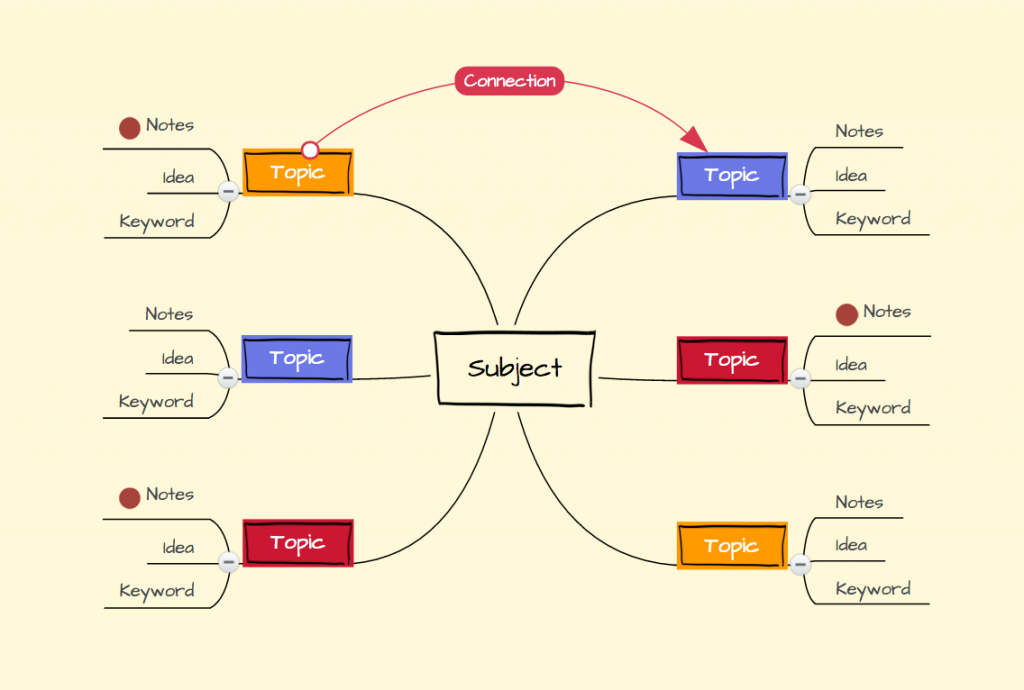
It is usual to start in the middle of the page with a question, statement or title.
Branch out, this can be main topics, or ideas linked to the subject.
Further sub branches give on to subtopics.
Use keywords, pictures, and lots of colours.
Again, whether you handwrite or create your MindMap on a pc is personal choice. There is software to help with digital MindMaps, if you are getting DSA, you will probably get a programme or App as part of the provision.
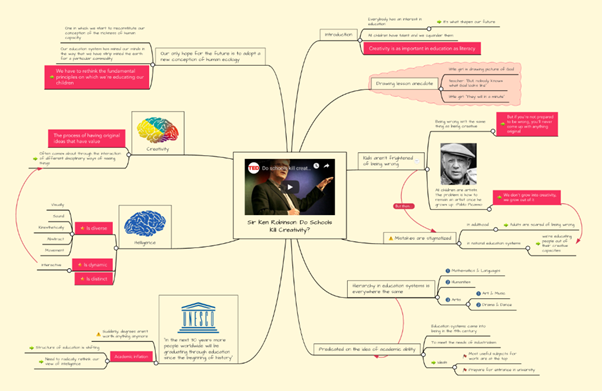
During Lectures
Central idea: Module / lecture title
Main branches:
- Key concepts
- Definitions
- Examples from lecturer
- Case studies
- Questions to follow up
Why it works at university
Helps identify gaps in understanding
Encourages listening for meaning instead of copying slides
Easy to add to later from readings
Reading & Journal Articles
Central idea: Article title + author + year
Main branches:
- Research question / aim
- Methodology
- Key arguments
- Evidence / data
- Strengths & limitations
- Useful quotes (page numbers)
Why it works
Supports critical thinking (essential for essays)
Prevents passive highlighting
Makes it easier to compare multiple papers later
Essay Planning Mind Map
Central idea: Essay question
Main branches:
- Key themes
- Relevant theories
- Supporting literature
- Counter-arguments
- Case examples
- Conclusion ideas
Why it works
Makes paragraph structure clearer
Keeps the essay focused on the question
Helps avoid repetition
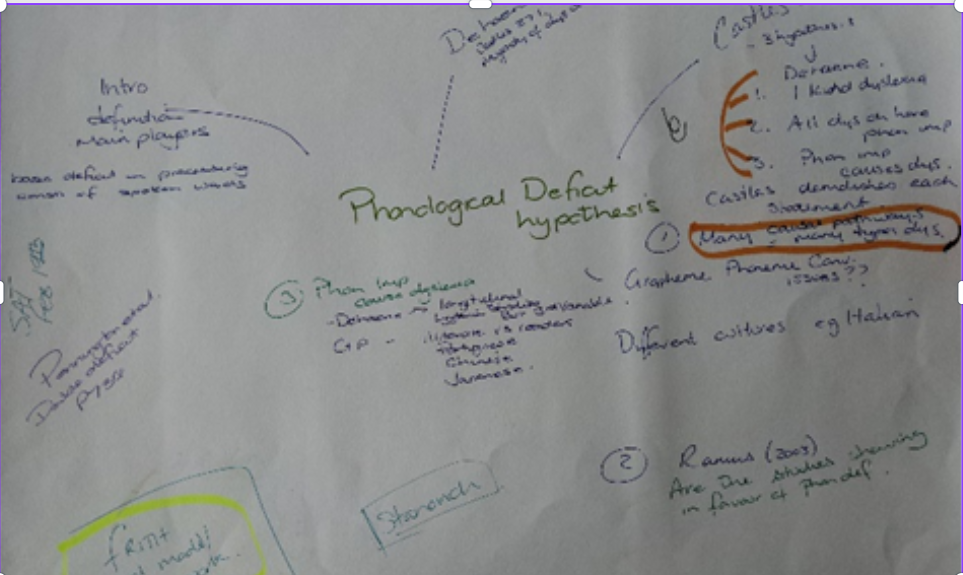
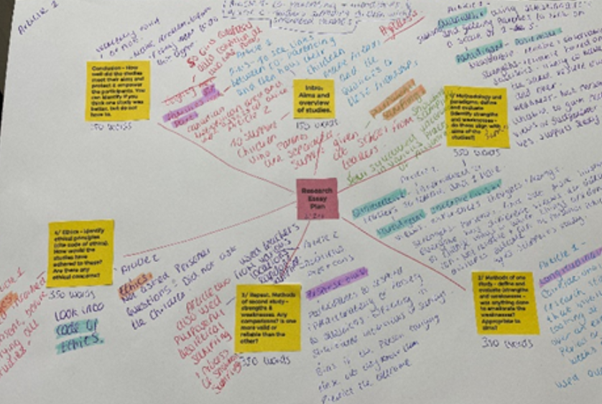
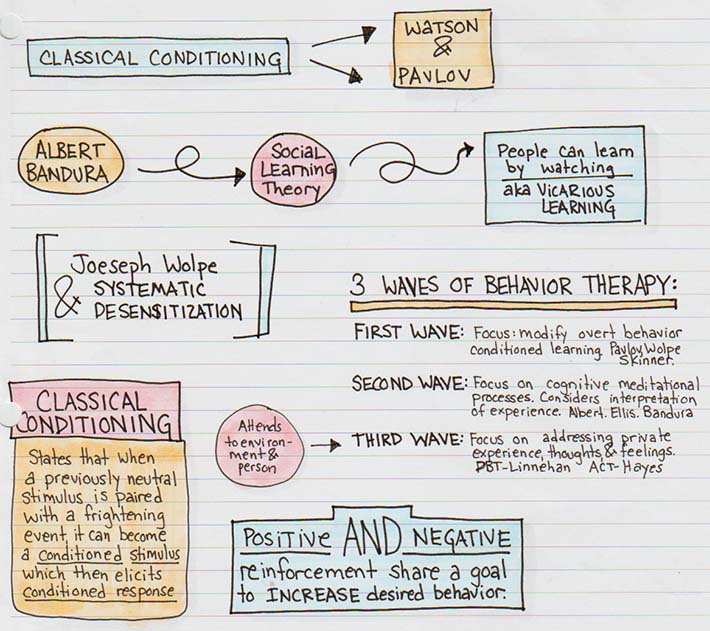
These are scruffy, but as they are for my use, to allow me to think about what I have read, to note down what has been said in a lecture, or to help me plan, it does not matter.
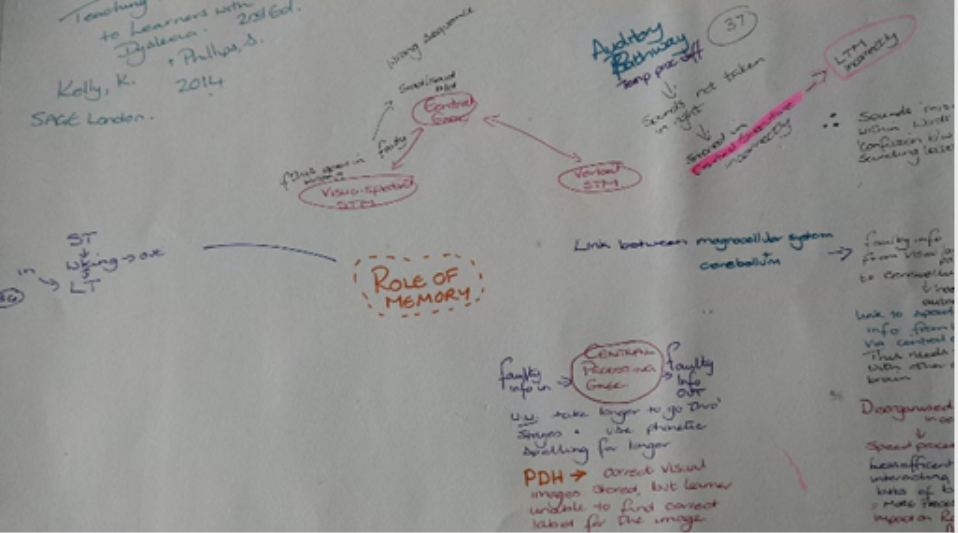
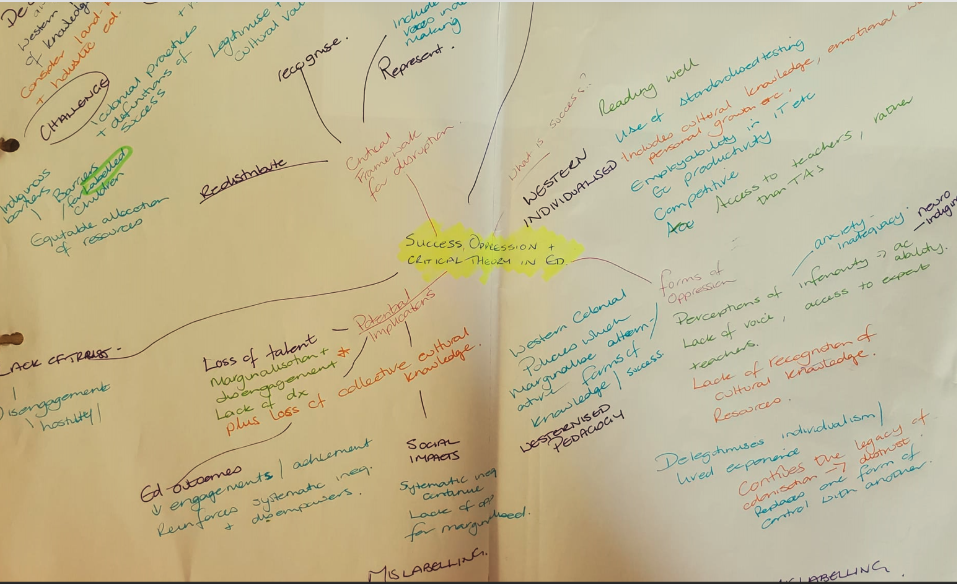
In the example below, colour has been used, along with capital letters, arrows and circling points. There are abbreviations and citations to enable sources to be found.
Digital Mindmaps
If you are in receipt of DSA, you may get some mind mapping software as part of the award.
If not there are many free Apps which you can experiment with.
Free Apps
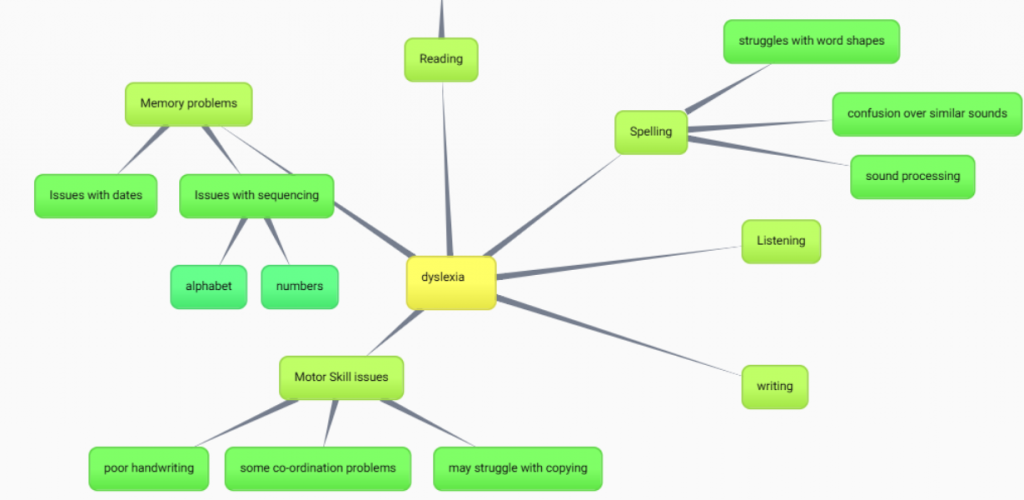
Source: Kajka, N. and Kulik, A. (2021) ‘The Influence of Metacognitive Strategies on the Improvement of Reaction Inhibition Processes in Children with ADHD’, International journal of environmental research and public health, 18(3), p. 878. Available at: https://doi.org/10.3390/ijerph18030878.