- Making Flashcards
- Dual coding
- Using flashcards effectively
- Using past papers
- Interleaving
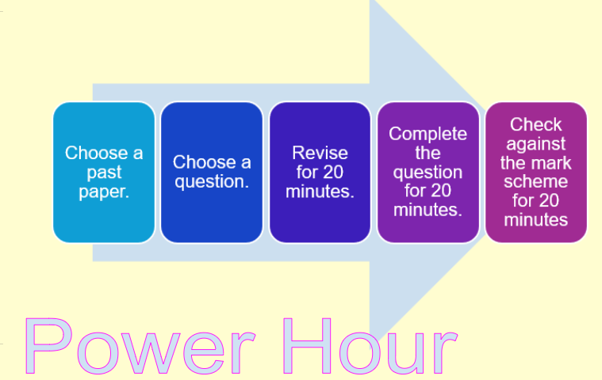
- The revision power hour
- Mind Palaces, Memory Journeys and mnemonics
- Staying on track and smart targets
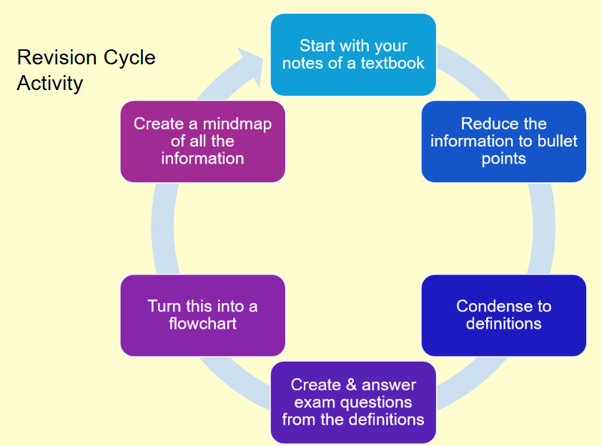
- Revision cycle
- Creating useful revision plans
- Looking after yourself
Flashcards
Make your own because you’re learning as you go along and it’s cheaper.
How to: often you’re just told to make flash cards, so let’s have a look at how you can do it.
● make them double-sided.
● make them short and quite simple.
● use key terms
● create questions that are linked to the exam
● different colour for each topic/ subject
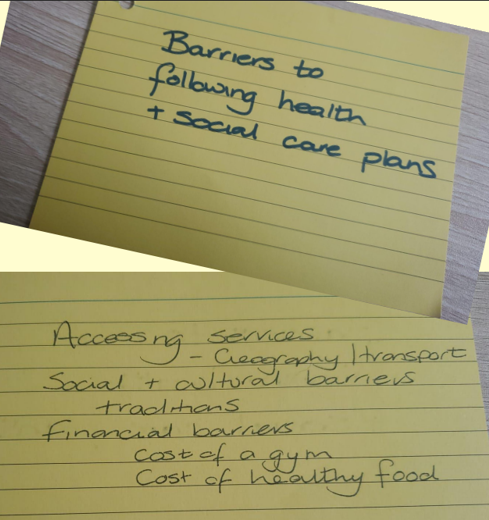
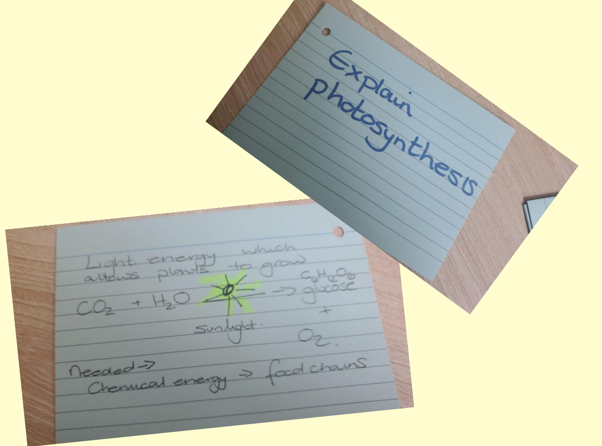
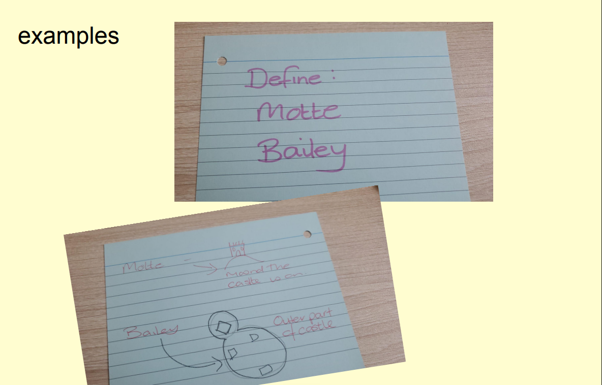
Be Creative!
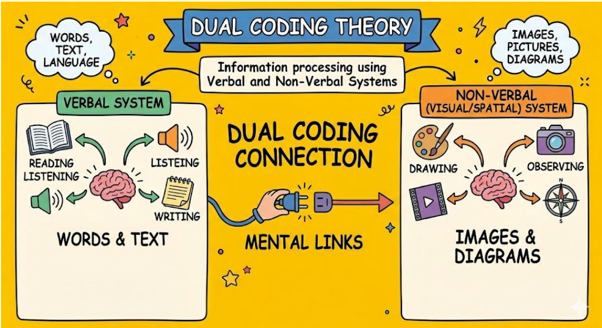
Use pictures and words because that gets the
different parts of your brain working together. It’s
called Dual Coding.
Dual coding helps your memory store the information by associating it with pictures, symbols, formulae, and lots of colour.
Now, you need to use your revision cards effectively.
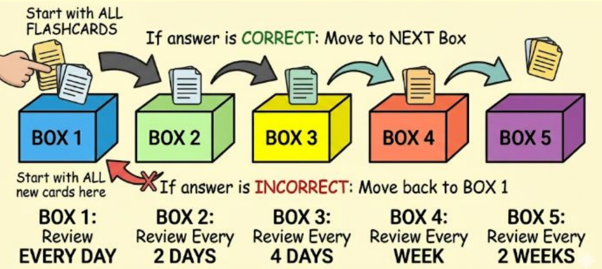
Start with all your cards in one pile, and then go through a review cycle. Review the first pile every single day. Anything you get right goes into a second pile.
Review the second pile every two days. Anything that you get wrong goes back to the first pile. Anything that you get right goes into the third pile, and so on.
Past Papers & Interleaving
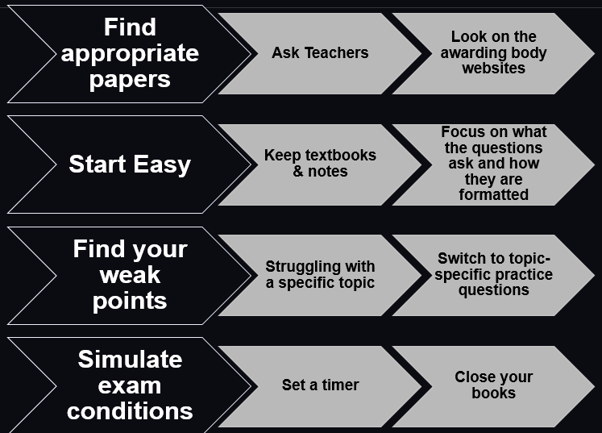
Instead of completing an entire paper on one particular topic, you can:
● create answers to questions about one topic, one particular question, from lots of different papers
● you can mix questions from different years or units
This is called interleaving
Space out your sessions.
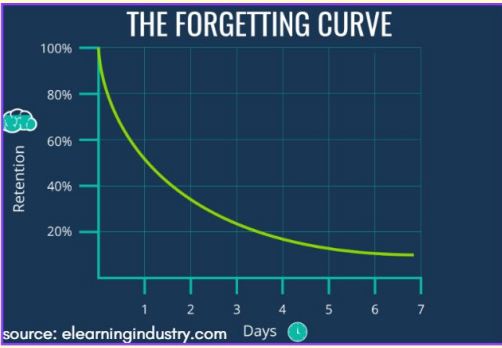

Diagram 1 Diagram 2
Instead of trying to do everything at the last minute, start spacing out what you do.
Diagram 1 shows that you can learn something one day, and by day seven you’ve forgotten most of it.
Looking at the second diagram, you can see that you are going to remember more if you keep recapping what you have learned.
Revise a little each day
Mind palaces, memory journeys, and mnemonics
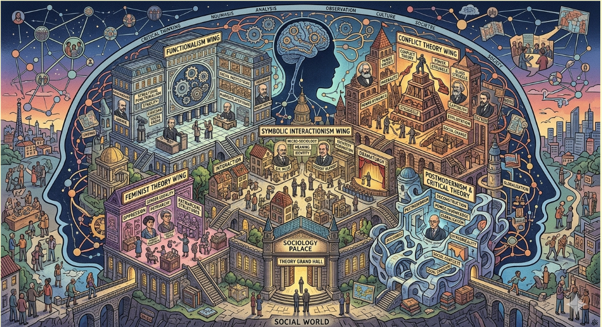
Mind Palaces
Allow you to use mental images of the rooms in your house to remember information.
Great for hard-to-remember information, long lists or sequences.
Example for sociology: The kitchen. This kitchen is Marxist. The fridge holds food, representing the means of production.
The cooker represents class struggle. Some people cook gourmet meals and others struggle to afford food, highlighting the class divisions and inequality.
How to make a Mind Palace
This is where AI is particularly good at helping you, but it needs to be something that you can remember.
Do this as a journey, so maybe your walk to school or college, or you can do it as a walk through your house.
You need to map out the locations for your place.
You might start with the coat rack in the hall and then maybe go along the corridor into the kitchen.
Then your journey might take you around the kitchen, maybe to the kitchen sink, the fridge, the cooker, and then the living room, and then just attach the relevant point to your journey through the house.
Example
This was created to help remember the respiratory process. It’s a journey to the supermarket or through the supermarket.
The automatic doors represent the nasal cavity and the trachea.
We then go through the produce section, which is the alveoli and gas exchange.
The aisles represent the bloodstream as oxygen and carbon dioxide are transported around the body.
The freezer section gives us capillaries where the gas diffuses.
The checkout is the heart with pumping and distribution, and the exit is where we exhale.

Mnemonics
It’s a shortcut, a mental tool that connects new information to existing knowledge, bit like the mind palaces, but it puts the information into an easy unit.
It takes things from your short-term working memory to where you need it.
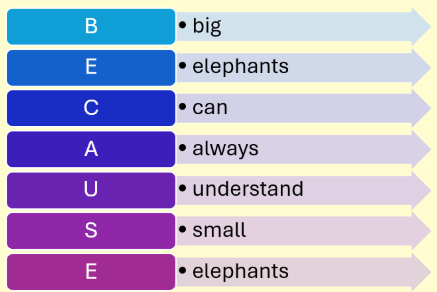
These may have helped you spell words you might have used this at primary school and can also help you remember sequences.
Example
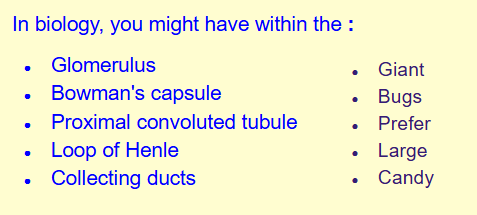
Make your mind palaces or mnemonics silly
To help students remember Piaget’s stages of development in child development or health and social care, we came up with the following:

Putting it all together
Don’t just start revising without any plan.
Begin by deciding what you are going to focus on and setting yourself time limits.
My get focus method below is a great way to allow yourself to learn but also give you breaks to make it a healthy process.
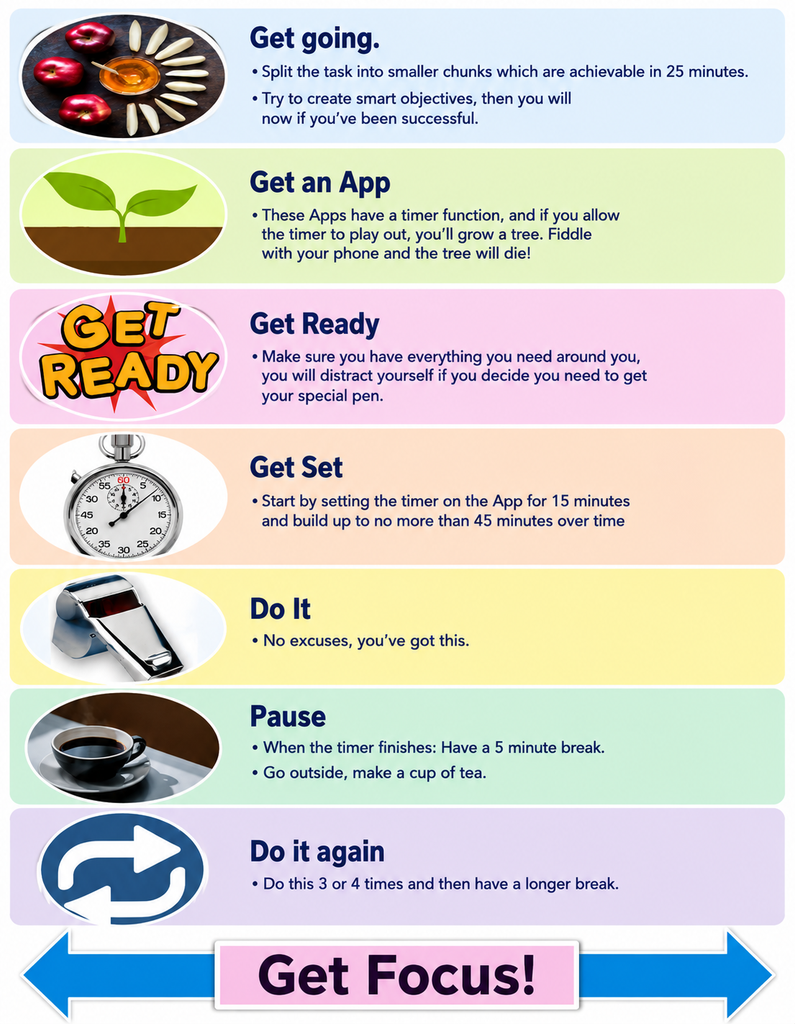
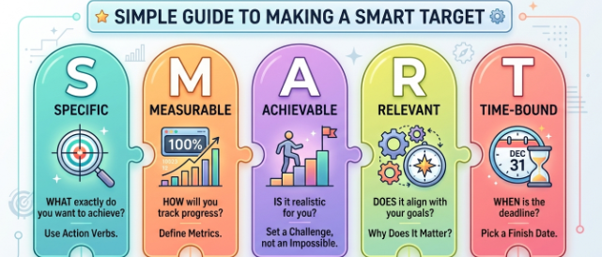
Set yourself smart targets.
Examples:
- By 4pm I will have revised the Haber process.
- In the next half an hour I will review all my history flashcards.
- By 11am I will have recapped Tectonic Processes and Hazards
Use a variety of techniques so you don’t get bored with just using flashcards, and plan that into your revision routine.
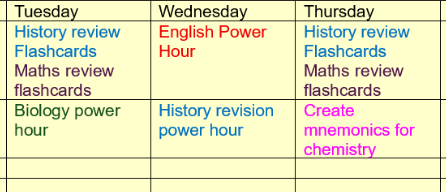
- Create a plan so you know you have covered everything
- Colour code each subject/ topic
- Mix up your revision techniques
- Remember to space your revision
Looking after yourself
- Eat nutritious food
- Have snacks to keep your brain nourished
- Drink water
- Take breaks
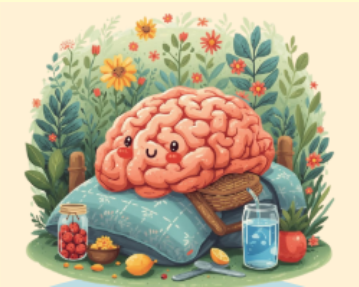
Treat your brain like a cherished pet, make it comfy, feed it, ensure it gets enough rest.
Nurture your brain and it will look after you.